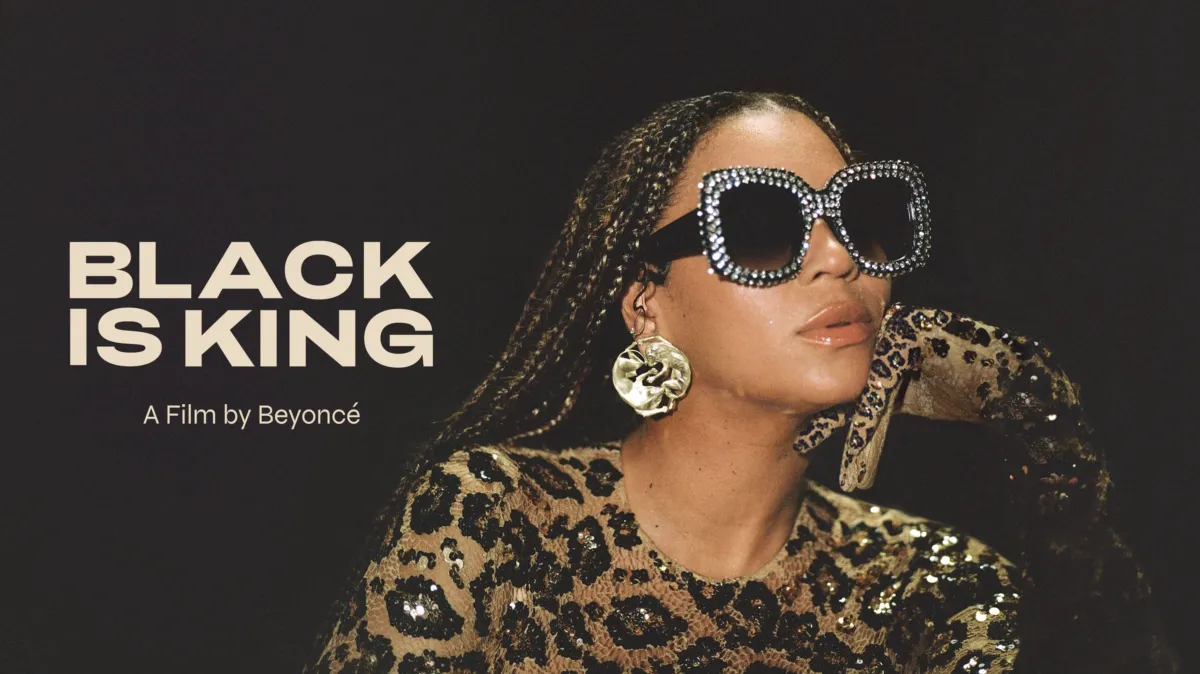
The Architecture of Ancestry: A Four-Year Retrospective on a Visual Manifesto
Published on August 21, 2024 | By Sinawo Zuba
Four years have passed since the release of the visual album that shifted the tectonic plates of cultural representation. To revisit Black Is King now is not merely to re-watch a film; it is to engage with a living, breathing artifact of heritage. It stands today, as it did upon its release, as a masterful celebration of African culture, identity, and excellence. It is a work that refuses to be static. Instead, through its stunning visuals, powerful music, and bold storytelling, the film continues to challenge dominant narratives and confront the historical injustices that have long plagued Black people.
The legacy of this work is not found solely in its entertainment value but in its function as a tool for reclamation. By weaving together themes of family, identity, strength, and wisdom, it presents an unapologetic portrayal of Blackness. It subverts traditional power dynamics, effectively flipping the script on centuries of erasure, and sparks necessary conversations about race, privilege, and representation. As we delve into the film's symbolism, cultural references, and thematic resonance, we begin to see how it reclaims and redefines African heritage, identity, and beauty in ways that are as relevant today as they were four years ago.
In the visual language of the film, aesthetics are never just aesthetic; they are political and spiritual statements. In the African context, hair plays a significant role in culture, symbolizing far more than style—it is a marker of identity, status, spirituality, and community. Black Is King utilizes this cultural truth as a primary visual weapon. The various hairstyles and textures showcased throughout the film are not random; they are a deliberate celebration of African beauty designed to challenge Eurocentric standards. By centering textures that have historically been marginalized or deemed "unprofessional" by Western gazes, the film asserts that Black hair is a crown of heritage.
Color symbolism within the film further deepens this spiritual narrative. The use of white is particularly noteworthy, serving as a symbol of purity, light, and innocence. However, this is not merely a Western interpretation of the color. In many African cultures, white represents spirituality, hope, and renewal. When we observe Beyoncé’s frequent wearing of white in the film, we are witnessing a visual coding that reinforces her role as a spiritual guide, connecting her presence to these profound cultural significances. It positions the protagonist not just as a singer or an actor, but as a vessel for ancestral light, guiding the viewer through a journey of reclamation.
One of the most powerful, yet often overlooked, aspects of the film is its depiction of gender. The film’s portrayal of gender equality and fluidity reflects traditional African societies where gender roles were often more flexible and inclusive than modern binaries suggest. This is a crucial historical intervention. It challenges the binary gender norms that were largely imposed by European colonialism, highlighting instead Africa's rich and pre-colonial history of gender diversity. By showcasing this fluidity, the film acts as a restorative archive, reminding audiences that inclusivity is not a modern import but an ancient African truth.
The music in Black Is King is not passive background noise; it is an active narrator. Its significance goes far beyond just being a soundtrack. It is a complex architecture of sound, a "sonic tapestry" woven from careful selections of voices, samples, musicians, and instruments.
The film engages in a deliberate fusion of modern and ancient Africa, reflecting its core themes of heritage, identity, and innovation. This is achieved through a sophisticated blending of instrumentation.
- The Ancient:We hear the resonance of traditional instruments such as the djembe drums and the kora. These are the sounds of the griots, the keepers of history.
- The Modern:These traditional sounds are seamlessly integrated with modern production techniques and genres like Afrobeats and hip-hop.
This combination creates a unique sound that is simultaneously nostalgic and forward-looking. It posits that African identity is not trapped in the past; it is a continuum that flows from the ancient kora strings directly into the heavy bass of modern hip-hop.
Within this tapestry, Beyoncé's voice serves as a powerful instrument in its own right, adding depth and emotion to the narrative. Her vocal performance is deeply informed by the continent; her use of African vocal styles, such as ululations and call-and-response patterns, adds a layer of cultural authenticity that grounds the pop sensibilities of the music.
A critical component of this sonic reclamation is the involvement of Lebo M, the South African composer and musician legendary for his work on the original Lion King soundtrack. The analysis highlights a painful history: while he was a crucial contributor to the original iconic music, he faced issues with royalties and recognition.
Black Is King functions as a corrective measure to this historical oversight. By incorporating elements of Lebo M's work and style into the soundtrack, Beyoncé is paying homage to his legacy and acknowledging the historical injustices he faced. This is described as a form of "reclamation," where the platform is used to honor African talent that has been marginalized or overlooked. Given the music industry's fraught history with cultural appropriation and ownership, this gesture is particularly significant. It is an act of rectifying historical wrongs to ensure African creators receive the recognition they deserve. Lebo M’s direct involvement as a musical director and contributor further solidifies the film's connection to African heritage.
One of the most striking descriptions of the film’s structure is the role of poetry. It is not merely a bridge between songs; the poetry adds depth and cultural weight to the narrative. Drawing from African cultures, including isiXhosa, where poetry is a revered art form used to convey messages and pass down wisdom, the film honors a deep oral tradition.
The analysis offers a stunning metaphor for this element: poetry in the film is seen as "gears locking and clicking," working together to propel something greater.
This mechanical analogy is profound. Just as gears interlock to create movement, the poetry interlocks with the music, visuals, and cultural references to create a narrative that physically moves the audience. It is the engine of the film.
- The analogy extends to the idea of movement, either forward or backward. Poetry acts as a driving force that can propel us toward progress and empowerment, or pull us back for reflection, caution, and reckoning.
- This highlights the dynamic interplay of elements where poetry is not decorative but vital. It is used in important times—warnings, celebrations, prophecies—underscoring its cultural importance.
By incorporating this element, Beyoncé taps into a rich cultural heritage, making the message authentic and impactful. It serves as a powerful tool for storytelling, adding layers of meaning that dialogue alone could not achieve.
The film’s setting is never incidental; it is a character in its own right. The analysis points to the interconnectedness of different African landscapes—the busy, energetic cities juxtaposed against the quiet, revered rural areas of the Diaspora.
There is a poignant focus on the depiction of Johannesburg. The contrast between the bustling streets and the quiet, deserted nightscapes serves as a metaphor for the protagonist's journey.
- Johannesburg is framed as a symbol of both "promise and peril," reflecting the complexities of urban life and the search for identity.
- The film uses these urban landscapes to explore themes of belonging and disconnection. The scene where Simba navigates the dangerous streets alone is a powerful commentary on the struggle to find one's place.
This duality—beautiful and treacherous, vibrant and unforgiving—serves as the backdrop for self-discovery. It highlights the tensions between the traditional and the modern, the rural and the urban, visually representing the protagonist's inner turmoil. The "City of Gold" is not just a location; it is a crucible for the soul.
Perhaps the most provocative element of Black Is King is its radical subversion of visual power dynamics. The film does not ask for permission to occupy space; it seizes it.
The depiction of Simba and Nala living a luxurious life in grand mansions is a deliberate representation of African wealth and opulence. But the film goes further. It includes scenes featuring white characters in subservient roles.
- This is a bold subversion of traditional power dynamics and a clever nod to the historical injustices perpetrated by European colonizers. By reversing the roles, the film challenges the dominant narratives and power structures imposed upon Africa for centuries.
- This casting choice is a commentary on the legacy of colonialism and slavery, highlighting how these systems have perpetuated oppression. It is a bold statement of Beyoncé's commitment to dismantling these structures.
The image of a Black man and woman adorned in Western opulence, living comfortably without apology, is a declaration of self-love and self-worth. It extends beyond Black identity to speak to all People of Color who have faced erasure, offering a message of solidarity and empowerment.
Connecting these themes to the song "Brown Skin Girl," the film showcases a diverse array of brown-skinned women to celebrate their beauty, strength, and resilience. In a world where these identities have been historically marginalized, this visual celebration is a radical act.
The reception of the film is as telling as the film itself. The analysis notes that the discomfort and mixed views from some critics are actually a testament to the film's success.
The Western world has long been comfortable with perpetuating stereotypes and erasing Black stories. Black Is King disrupts this comfort. It presents such a bold, unapologetic portrayal of Black identity that it forces viewers to confront their own biases and privileges.
The fact that some critics felt threatened is an indication that the film is doing something right. It acts almost like a "threat to their entire existence or place in society" because it demands a reckoning with historical injustices.
This discomfort is necessary. It signifies a confrontation and a transformation. The film pushes boundaries and challenges the status quo, proving that art which does not provoke is often art which does not matter.
Four years later, the "gears" of Black Is King are still turning. The poetry, the music, the visuals, and the subversions continue to propel the conversation forward. It remains a film that celebrates Black culture, heritage, and beauty, reminding the world that Black lives, identities, and stories matter.
Beyoncé's boldness in creating such a work is a testament to her dedication to amplifying African voices. From the inclusion of Lebo M to the celebration of isiXhosa poetry, the film is a masterclass in how to use a global platform for local empowerment. It is an "instrument of protest and joy" that leaves a legacy of interconnectedness—between the energetic cities and the revered rural lands, between the ancient kora and the modern beat, and between the past we are reckoning with and the future we are building.
Ultimately, Black Is King is not just a movie; it is a mirror held up to history. It demands that we look, even if it makes us uncomfortable, and in that looking, we find a "rich, vibrant portrait of African culture" that refuses to be erased. It is a film that will continue to inspire, educate, and empower for years to come.
← Back to Home